
The psychological toll of gambling Understanding the mind’s battle
The allure of gambling
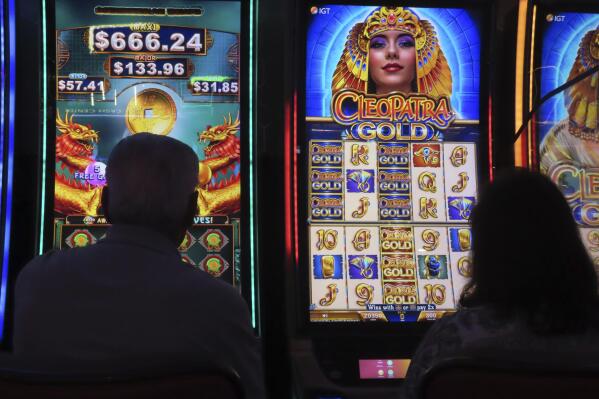
The appeal of gambling often stems from the thrill of uncertainty and the promise of potential rewards. This excitement can create an adrenaline rush, making players feel invincible and in control. Many are drawn to the colorful environments of casinos or the convenience of online platforms, where bright graphics and enticing sounds amplify the sense of reward. Additionally, exploring the best australian casinos online enhances the experience. This sensory stimulation can lead to a heightened state of arousal, making it easy to lose track of time and money.

However, this allure often masks the psychological struggles that accompany gambling. The initial excitement can quickly transform into a compulsive behavior, where individuals chase losses or seek the high of winning. This cycle can create a dependency that is difficult to break, leading to a continuous battle within the mind between the desire to gamble and the realization of its consequences.
The impact on mental health
The psychological toll of gambling can manifest in various mental health issues. Many gamblers experience anxiety, depression, and stress as they grapple with their gambling habits. The constant worry about financial instability or the fear of being unable to stop can exacerbate these feelings, leading to a downward spiral of mental health deterioration.
Moreover, the stigma surrounding gambling addiction often prevents individuals from seeking help. They may feel shame or guilt about their behavior, isolating themselves from support systems. This isolation can amplify feelings of hopelessness and despair, further complicating their mental health landscape.
The cycle of addiction
Gambling addiction often follows a specific cycle, where initial wins reinforce the behavior, leading to repeated gambling in hopes of recapturing that high. This cycle can escalate quickly, with individuals betting larger amounts as they become increasingly desperate to win back lost money. The psychological battle intensifies as they rationalize their actions, believing that a big win is just around the corner.
As the addiction progresses, the consequences become more severe, affecting relationships, employment, and overall quality of life. This cycle is not just about losing money; it encompasses a broader range of emotional and psychological struggles that can take a long time to address and heal.
Understanding recovery
Recovery from gambling addiction is a challenging yet achievable process. It requires a comprehensive approach that addresses the psychological, emotional, and social aspects of gambling behavior. Therapy, support groups, and self-exclusion programs are often critical components in the recovery journey. Individuals can learn to identify triggers, develop coping strategies, and rebuild their lives outside of gambling.
Moreover, educating oneself about the psychological underpinnings of gambling can be empowering. Understanding how cognitive biases and emotional triggers influence gambling decisions can help individuals make more informed choices and combat impulsive behaviors.
Exploring resources and support
For those grappling with gambling addiction, finding the right resources is essential. Platforms that offer information, support, and community engagement can be invaluable. These resources often provide insights into responsible gambling practices, tips for recognizing unhealthy behaviors, and access to professional help.
Our website aims to be a comprehensive resource for individuals seeking to understand the complexities of gambling and its psychological impact. By fostering a community of support and sharing valuable information, we hope to empower individuals on their journey toward recovery and healthier gaming habits.
“`

Deixe um comentário!