
The Role of Luck in Casino Games
Luck is often considered the unseen hand that guides players through the exhilarating world of casino games. Many enthusiasts believe that their success is not solely determined by skill or strategy but rather by luck. For instance, in games like slots and roulette, the outcome is completely based on chance. This randomness can lead to phenomenal wins or devastating losses, providing players with an unpredictable yet thrilling experience that keeps them coming back for more, especially when they utilize resources like australian online casino payid to enhance their gameplay. The allure of hitting a jackpot or experiencing a winning streak fuels a thriving atmosphere where players continuously chase their next stroke of good fortune.
Different games have varying degrees of reliance on luck. In card games such as poker, while skill plays a significant role, luck still has its say. A player might have the best strategy but can still lose due to an unfortunate hand. This blend of chance and skill creates a unique dynamic in the gaming environment, making every visit to the casino an exciting adventure filled with uncertainty. Players often share stories of their lucky streaks or the times they hit a jackpot, highlighting the centrality of luck in their gaming narrative and fostering a sense of community among enthusiasts who revel in these tales.
The psychological impact of luck on players cannot be underestimated. Many find that believing in their luck can enhance their gaming experience. This belief often manifests in rituals or routines that players engage in before or during gameplay, such as wearing lucky clothing or using specific tokens. Such practices, while not scientifically proven to alter outcomes, can create a sense of control and increase enjoyment, illustrating how deeply intertwined luck is with the overall casino experience. The very act of engaging with these rituals reinforces a connection with luck, allowing players to immerse themselves fully in their gaming adventures.
The Psychological Aspect of Luck
Winning or losing at a casino can significantly affect a player’s mood and behavior. This psychological aspect ties closely to the concept of luck. When a player wins, they frequently attribute their success to luck, often feeling euphoric and motivated to continue playing. Conversely, when losses occur, feelings of frustration or disillusionment might surface, leading to a complex emotional journey. This rollercoaster of emotions is a crucial part of the gambling experience, as the highs and lows keep players engaged. Understanding these emotional dynamics can help players develop healthier coping mechanisms for both wins and losses.
Moreover, this feeling of luck often influences how players approach their strategies. Players who perceive themselves as “lucky” may take more risks, believing that fortune will favor them again. This mindset can lead to thrilling moments but also substantial losses if caution is thrown to the wind. The psychology behind luck creates a fascinating environment where each player’s belief in luck shapes their decisions, making the casino floor a dynamic and ever-changing space of energy and excitement. The interplay of emotion and luck not only affects individual outcomes but can also create an electric atmosphere that enhances the overall experience.
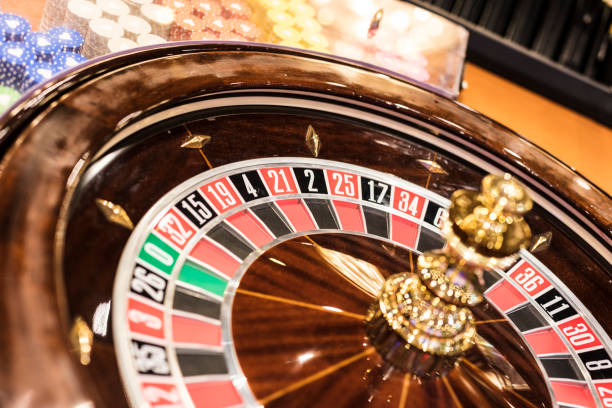
Casinos often capitalize on the psychology of luck by creating atmospheres that promote a sense of luck among patrons. This can include elements like colorful lights, celebratory music during wins, and strategically placed slot machines designed to encourage more play. These ambient factors can enhance the perception of luck, making players more likely to engage in positive thinking about their experiences. Understanding the psychological influence of luck can help players navigate their emotions and experiences better in a casino setting, ultimately leading to a more fulfilling engagement with the gaming environment.
The Influence of Luck on Game Selection
The influence of luck extends beyond just gameplay; it also impacts the games players choose to engage with. Some individuals prefer games that are heavily reliant on luck, such as slots or dice games, while others gravitate towards strategies that blend luck and skill, like blackjack. This preference is often rooted in personal experience and the thrilling anticipation of luck playing a role in their outcomes. Knowing that the next spin could lead to a substantial win can entice players to choose luck-based games more frequently, leading to a vibrant mix of gaming choices in any casino.
Players often find themselves attracted to the excitement surrounding chance games. For instance, the booming sound of a slot machine winning can resonate widely, drawing attention and inviting others to join in, motivated by the idea that they too might experience a stroke of luck. This social aspect of game selection can significantly influence the betting behavior of both individuals and groups at the casino, creating a lively atmosphere where luck reigns supreme. As players witness others winning, they feel inspired to engage with similar games, thus perpetuating a cycle of excitement and anticipation.
Understanding how luck influences game selection can also shed light on broader trends within the casino industry. Casinos often design and promote games with the element of luck in mind, knowing that these games attract a vast audience. This understanding of player psychology assists casinos in tailoring their offerings to maintain engagement and profitability, further demonstrating how luck plays a critical role not just in individual experiences, but also in the operational strategies of the gaming industry. By aligning their marketing and game development efforts with the innate human attraction to luck, casinos can create more compelling gaming experiences.
Strategies for Embracing Luck in Gambling
To navigate the inherent randomness involved in gambling, many players adopt specific strategies aimed at embracing their luck while also mitigating losses. One common approach is setting a budget that allows for flexibility regarding wins and losses. By establishing limits, players can enjoy their time at the casino while feeling a sense of control over their financial decisions. This practice fosters a healthier relationship with luck, allowing players to enjoy the thrill without succumbing to excessive risk. Moreover, implementing a budget helps players maintain focus on their enjoyment rather than fixating solely on the outcomes.

Another strategy is diversifying the types of games they play. Engaging with a range of luck-based games can provide players with various experiences and opportunities to hit a lucky streak. For example, alternating between card games and slots can change the dynamics of gameplay, allowing players to maintain excitement while navigating through their luck. This variation in strategy not only keeps the experience fresh but also opens the door for unexpected wins. By mixing their gameplay choices, players can capitalize on various luck elements and enhance their overall casino visits.
Lastly, it’s essential for players to recognize the value of enjoyment over results. Focusing on the fun and social aspects of gambling can help players maintain a positive outlook, regardless of whether luck is on their side. Understanding that luck fluctuates and that every player has both winning and losing days can contribute to a more balanced and enjoyable experience at the casino. Embracing the unpredictability of luck can transform gambling from a purely financial endeavor into a thrilling recreational activity, enriching the overall experience and fostering lasting memories.
Exploring the Casino Experience Further
Understanding how luck influences your casino experience is crucial for maximizing enjoyment and engagement. From the moment you step into a casino, the presence of luck shapes everything from game selection to emotional responses. This intertwining of luck with player experiences creates a thrilling environment where each visit can lead to unexpected outcomes, be they victories or defeats. This unpredictability is a fundamental aspect of why people are drawn to casinos in the first place, as each gaming session holds the promise of the unknown.
Casinos thrive on this element of chance, and they strategically design their gaming environments to enhance perceptions of luck. The various psychological factors at play can significantly impact how players approach their time at the casino, urging them to embrace the unpredictable nature of luck while being mindful of their strategies and budget. Recognizing the role of luck in the overall experience can help players cultivate a healthier relationship with gambling. By understanding the dynamics of luck, players can better navigate their emotions, thereby improving their overall gaming experience.
In conclusion, while luck can be a major component of the casino experience, it is essential to maintain a balance between enjoyment and prudent decision-making. Engaging with luck, understanding its influence, and adapting strategies will ensure that every casino experience is not just about winning or losing, but rather about enjoying the journey surrounded by the allure of chance and possibility. Ultimately, players can enhance their enjoyment by embracing the unpredictable elements of luck, leading to unforgettable experiences in the vibrant world of casinos.
