
The psychology behind your next casino visit Why we gamble
The Allure of Uncertainty
The thrill of gambling largely stems from the unpredictability it offers. Each roll of the dice or spin of the wheel comes with the possibility of a significant win, tapping into our innate desire for excitement and surprise. This uncertainty acts as a powerful motivator, driving individuals to place bets in hopes of beating the odds. The brain releases dopamine, a feel-good neurotransmitter, during moments of anticipation, making gambling an exhilarating experience. Moreover, to delve into a unique gaming experience, you can also visit icefishing-game-ie.com for an innovative twist.

Additionally, the excitement is compounded by the social atmosphere present in casinos. The collective energy of fellow gamblers can amplify the highs and lows of the experience, creating a shared sense of anticipation that keeps individuals coming back for more.
The Role of Cognitive Biases
Cognitive biases also play a crucial role in why people gamble. Many gamblers fall victim to the illusion of control, believing they can influence outcomes through skill or strategy. This misperception often leads to increased gambling, as individuals become convinced that they can master the odds. Similarly, the availability heuristic causes people to remember recent wins more vividly than losses, skewing their perception of their overall success in gambling.
These cognitive biases can lead to a cycle of behavior where gamblers continue to chase their losses or seek out further wins, further entrenching them in the gambling experience. Understanding these psychological influences can aid in developing responsible gaming practices, ensuring that players remain aware of their tendencies.
The Emotional Escape
For many, gambling serves as an emotional escape from daily life. The casino environment, often filled with vibrant lights, sounds, and an atmosphere of excitement, provides a distraction from stressors and mundane routines. Engaging in gambling allows individuals to immerse themselves in a world where financial worries temporarily fade away.
This emotional release can be particularly appealing to those facing challenges in their personal lives. However, it’s essential to recognize that while gambling can offer a brief respite, it is not a sustainable solution to deeper issues. Finding healthier coping mechanisms is crucial for long-term well-being.
Social Interaction and Community
Gambling is not just an individual endeavor; it often involves social interaction and community building. Many people visit casinos to connect with friends or meet new people, enhancing the experience beyond mere chance. The camaraderie developed in these settings can create a sense of belonging that keeps people returning.
Casinos often host events or tournaments that foster social engagement, making them appealing spaces for entertainment. However, it’s vital to remain mindful of the social pressures that can encourage irresponsible gambling. Establishing boundaries and promoting responsible gaming practices can help maintain a healthy balance between social enjoyment and personal financial responsibility.
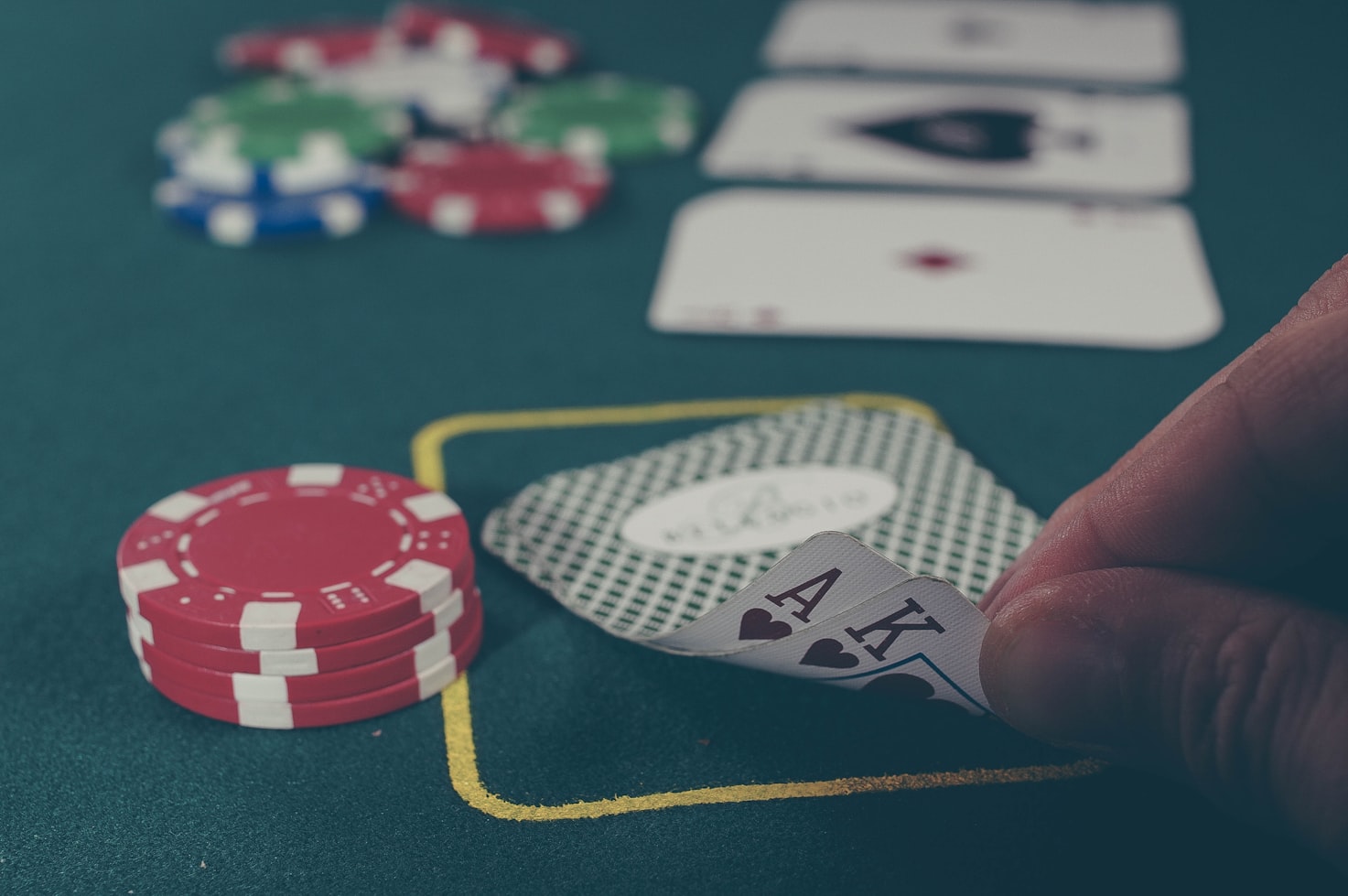
Understanding Responsible Gaming
Responsible gaming is essential in ensuring that the thrill of gambling does not lead to negative consequences. Many casinos and gaming establishments actively promote responsible gaming practices, encouraging players to set limits on their time and expenditures. By understanding the psychological aspects behind gambling, players can better navigate their experiences and make informed decisions.
Establishing a strong sense of self-awareness is critical in fostering responsible gambling habits. Players are encouraged to recognize their motivations for gambling and to seek help if they find themselves struggling with control. By prioritizing responsible gaming, individuals can continue to enjoy the excitement of casinos while minimizing risks associated with problem gambling.

Deixe um comentário!